Korean cuisine is becoming more and more popular so a lot of people are wanting to cook Korean food at home. A lot of my non-Korean friends are saying they don’t know what all sauces and ingredients I need for Korean cooking and what are the ones real Koreans use to make authentic Korean food.
Overall, they all can be found in Korean grocery stores if you have one in your area. If you don’t see any Korean grocery store in your area, try any asian grocery stores and there’s a good chance that they have at least one of each kind. I’ve also seen them in regular American grocery chains when there’s at least some asian population in the area. So try these stores.
They also can be found on Amazon and I added the links below for my recommendations. (Click the images for the Amazon page!) Amazon’s prices isn’t the best for these compared to buying from asian groceries, but sometimes they come on a great deal and it’s not bad to purchase them online especially if you don’t have easy access to asian grocery stores.
Here’s my list of things and this is based on years of trying a lot of brands and researching what products actually most loved in Korea!

1. The must-haves
Soy sauce (간장)
This is the #1 must have for Korean cooking. Your favorite dish – Bulgogi, Galbi, a lot of banchans – they all need at least a little bit of soy sauce. You will usually find only one kind in your local American grocery but it is really overwhelming if you ever go to a Korean grocery store because there are so. many. kinds! There’s one for regular cooking, one for soups, one for dipping sauce, one for sautees, etc.

I recommend starting with 진간장 (Jin-gan-jang), and the most Koreans use this one from Sempio. (left) Either the red or gold label. Gold label is more premium and has better ingredients but they taste almost the same.
진간장 is the best used for the meat dishes that usually get heated up but its sweet and savory flavor makes it good for other things too. If you get into more advanced cooking, use the soup soy sauce for Korean soups (국간장) and the brewed soy sauce (양조간장) for sautéed vegetables (나물) and making different sauces. But for now, just the red or gold label 진간장 is fine.
Gochujang (고추장)
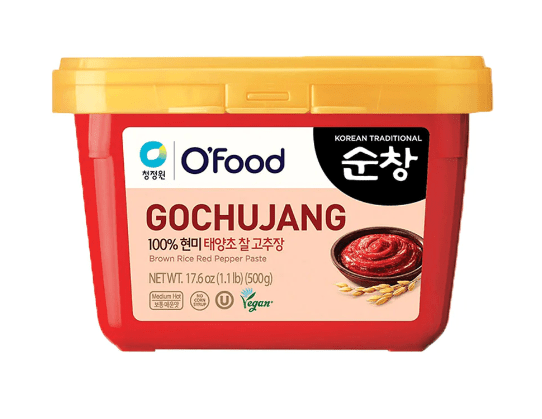
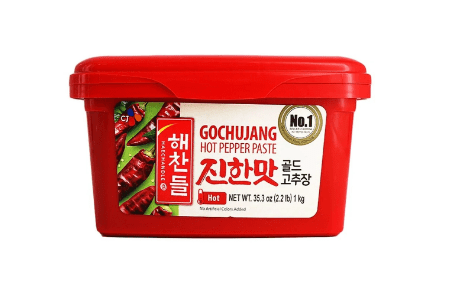
Along with the soy sauce, this is a must-have if you ever want to cook spicy Korean dishes. The most popular brands are 순창 (from 청정원 brand) and 해찬들 (from CJ brand). Both are good and used by most Koreans but they come with a variety of spicy levels. So pick based on your tolerance on the spiciness. Some American groceries, even Trader Joe’s have a Gochujang but if you don’t find them, they have them on Amazon.
Cooking wine (맛술)
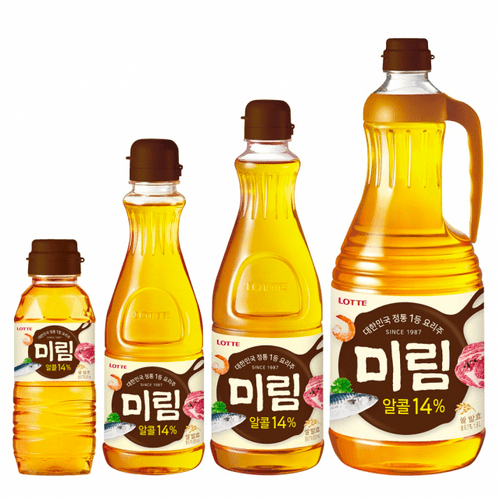
Cooking wine is weird to think of as one of the ingredients but it is commonly used for sauces in meat and seafood dishes. Koreans use this to prevent the funky meat or fishy seafood smell/taste from your dishes because they are made with alcohol and ginger to help with those smells. I tried most of these but some are just sour and weird, so use this brand, Lotte and it’s called Mirim.
Toasted sesame oil (참기름)


This is a must-have. Sesame oil gives a final touch of a lot of Korean dishes and things like Bulgogi, Japchae or Galbi just doesn’t taste authentic it’s missing sesame oil. Quality sesame oil upgrades the taste of Korean food by a lot but high quality sesame oil can be very expensive. Sometimes my family and I buy high-quality sesame oil in Korea and even bring them back!
I tried lots of brands but these are my favorite brands – Beksul, CJ and Bibigo. You can find sesame oils outside asian grocery stores but when you do, double check to make sure it is “toasted sesame”. But the best is to buy a Korean sesame oil bottle to make sure they are toasted in Korean style!
Corn syrup and rice syrup (올리고당/물엿)
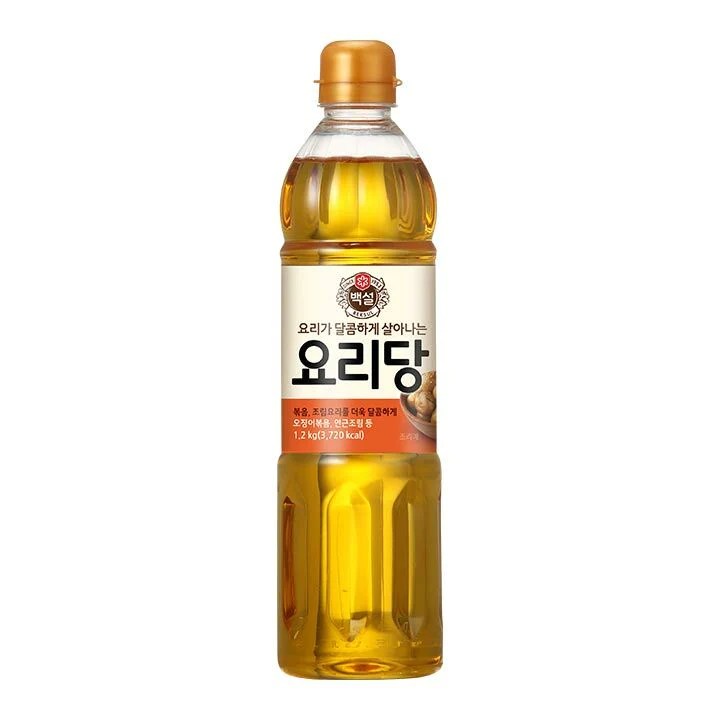

A lot of Korean dishes have a fair amount of sugar in it although the level of sweetness can be adjusted when you cook. I use corn syrup over sugar when I don’t think the sugar will melt for my non-heated sauce. I use rice syrup when I need thicker sauce for heated/non-heated cooking.
If you want to keep things simple, you can just use sugar or get corn syrup from your local groceries, but if you get into advanced Korean cooking, definitely get a bottle of rice syrup! Rice syrup is a lot thicker than corn syrup and they are used in things like Tteokbokki and Korean fried chicken. You can’t go wrong much with any Korean brand for this but I recommend the CJ or Beksul one.
2. Advanced
Gochugaru – Red pepper flakes (고춧가루)
This is a tricky one. A lot of times, you can add the spiciness of Korean dishes by using Gochujang, but there are certain dishes that require the dry pepper flakes, what we call “Gochugaru.”
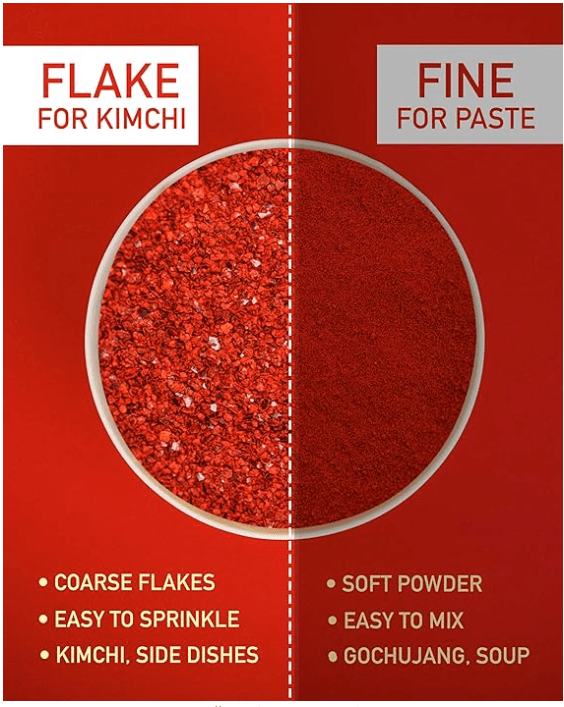
There are coarse flakes and fine flakes and coarse flakes are used for Kimchis and a lot of dishes. Fine peppers are used for making Gochujang or some sauces but they aren’t as used as the coarse ones.
Finding quality red pepper flakes can be challenging. The ones grown and processed in Korea taste way better than the imported ones but they are hard to find in the U.S. and often expensive. A lot of Koreans bring quality pepper flakes from Korea or have their family shipped it to them, or just pay the expensive price.
If you’ve just started Korean cooking, you don’t really need to buy this ingredient. If you decide to buy one and go to a Korean grocery store, see if you can find at least the ones that were processed in Korea. Korean red pepper flakes are different from other Asian or Mexican ones. Non-Korean pepper flakes could be a lot spicier than the “Korean spicy”, so be careful when you buy one from American groceries or online.
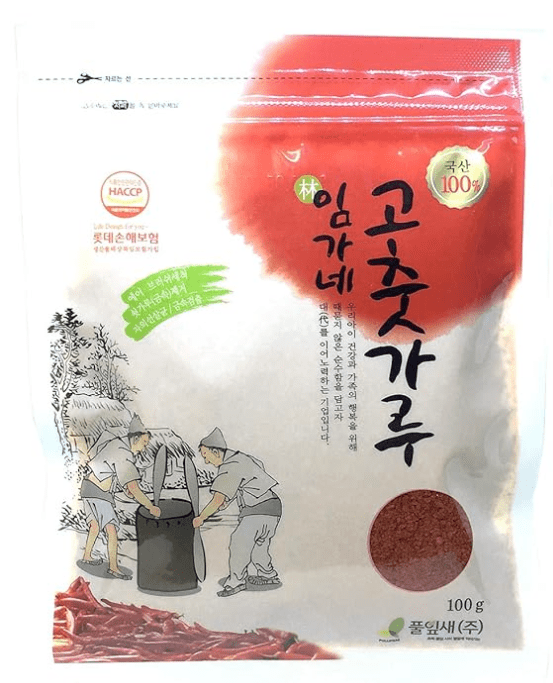

I found 100% Korean red pepper flakes here at this link. Or, here’s the one that was processed in Korea but the pepper itself was from China.
Rice vinegar (식초)
Usually not meat or seafood dishes but the Korean sauces and greens sometimes need vinegar. We need the sour taste but it can’t be too strong or acidic. Koreans use rice vinegar – which is made from fermented rice and less acidic than white vinegar. They do sell other vinegars like the apple or lemon based one but they have a unique taste that may not blend with other ingredients. So pick a rice vinegar or distilled vinegar that is made for Korean food.
Don’t do white/apple cider vinegar that you would use for other cuisine. It may taste very weird in Korean food!
Soy bean paste (된장)
Not many Korean dishes you know use soy bean paste as an ingredient, but the popularity of soy bean paste soup (Deonjang-jjigae, 된장찌개) or Bossam makes this a basic food ingredient that almost all Korean households have this in their fridge.

You can find many different kinds but my recommendation is to buy just a basic one from a reliable brand. My recommendation is the Chung jung won (CJ) one.
Ssamjang (쌈장)
People LOVE ssamjang. It is a must for Korean BBQ as a dipping paste sauce and it is the best when you put a little bit in your lettuce wrap. You can even use this a dipping sauce for veggie sticks. This isn’t really a food ingredient but I’m putting it here because it is very popular and unique as a Korean sauce. I tried many kinds over the years and here are my best picks.

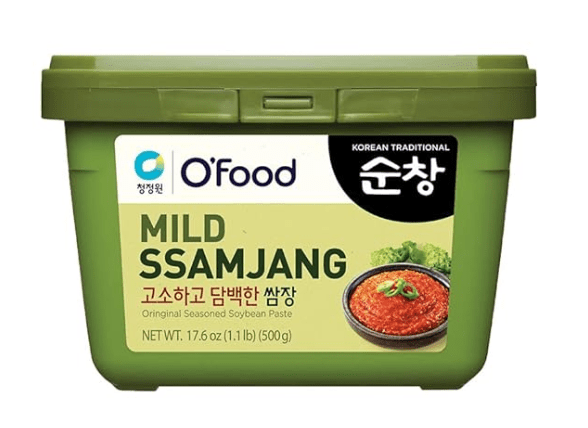
The one says spicy isn’t really extra spicy. I like it more because it is specifically for BBQs and has more flavor to it.
참깨
 How Koreans Eat